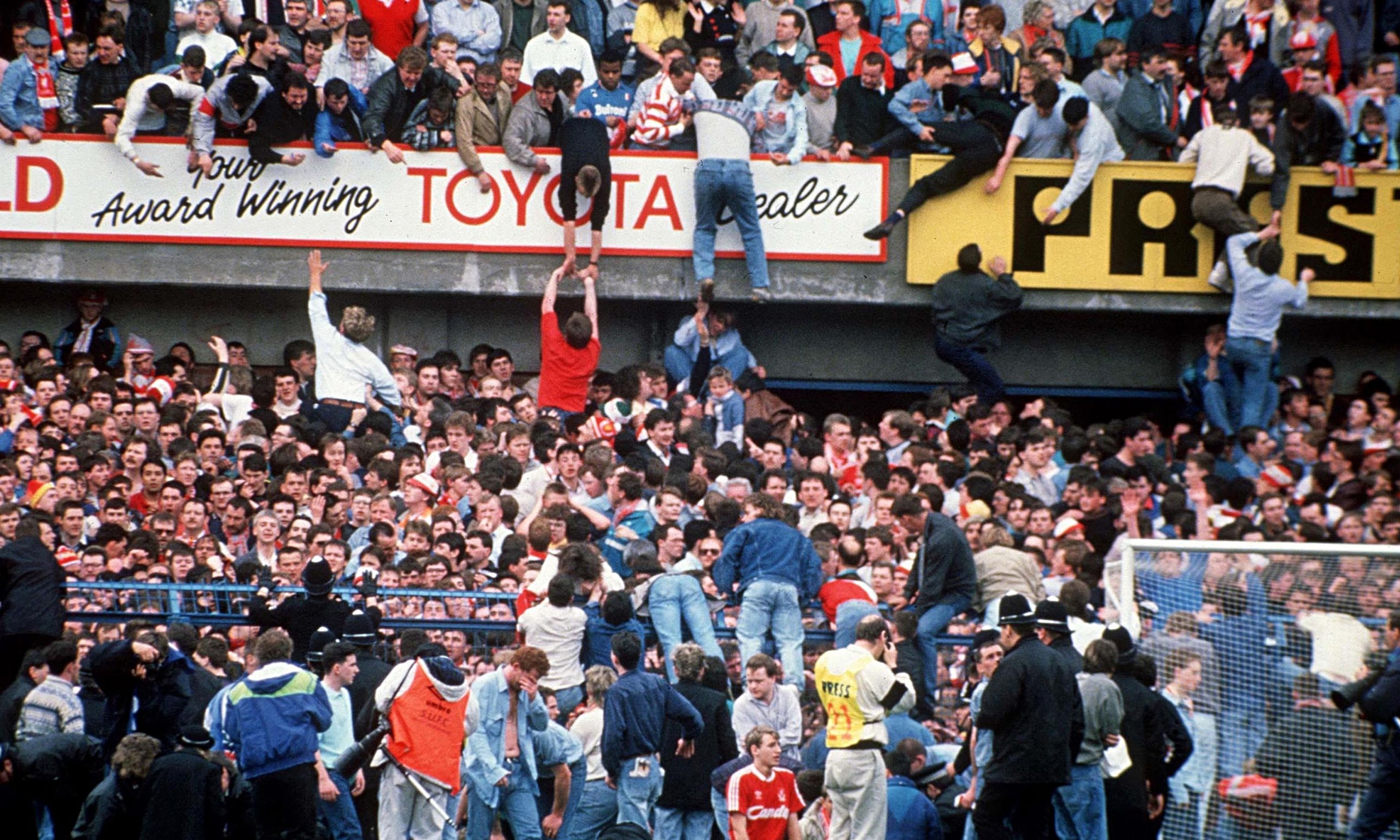
34 Years On: Fans Relive Hillsborough Disaster in Sheffield
The cover image of this article is from theguardian.com.
A survivor of the 1989 Hillsborough disaster has pointed out that, despite the lessons of the tragedy, oversight of stadium safety is still inadequate.
Following the FA Cup third round defeat of Newcastle at Sheffield Wednesday, footage circulating on social media of overcrowding at the exit of the Leppings Lane End has prompted the Football Association to contact officials from both clubs and an appeal from Newcastle United Supporters' Trust for more information.
The survivor, Peter Scarfe of the Hillsborough Survivors Support Alliance{{Who}}, commented that the situation reminded him of the events of 1989 and nobody had apparently learned from it. He noted that modern stadium design is supposed to account for standing and rail seating, but that the problem of overcrowding persists in Sheffield.
Scarfe warned that it was a disaster waiting to happen and pointed out that the amount of social media messages received on the subject demonstrate that many people were being reminded of the tragedy and becoming anxious in response.
He remarked that some may feel unfamiliar with the stadium and stories of what happened, increasing their fear further.
So far, Sheffield Wednesday has yet to make any comment.
Background of Hillsborough
The Hillsborough disaster took place on April 15, 1989 at the Hillsborough Stadium in Sheffield during an FA Cup semi final.
A large number of people were squeezed at the entry gates of the Leppings Lane end, resulting in fatal crush of spectators.
97 people lost their lives in the incident and 766 were injured.
The disaster was caused due to a combination of the layout of the stadium and the lack of suitable crowd control.
Investigations revealed that the crush was preventable, and primarily due to the failure of the South Yorkshire Police.
Significance of the Disaster
The Hillsborough disaster had a lasting impact on stadium safety across the world, and served as a stark reminder of the importance of crowd control{{Cite}}.
Following the disaster, major changes were made in the way stadiums are designed and managed.
New regulations were brought in to ensure adequate safety.
Segregation of standees and seated spectators was made compulsory, and there were other requirements regarding the stadium layout and the presence of appropriate emergency exits.
In addition, stricter guidelines were brought in for stadium security{{Cite}}.
This included the use of more stewards, crowd control personnel, and the introduction of measures to prevent overcrowding.
Lessons for the Future
The events of Hillsborough showed the importance of safety in stadiums both from a human and legal perspective.
It showed that appropriate crowd control measures are essential when managing large crowds.
While the disaster was an unfortunate tragedy, it has served as a lesson for the future.
Stadiums must be designed to ensure the safety of fans and prevent overcrowding in any way possible.
Equally important is the need for trained and competent crowd control personnel. It is vital that these personnel are trained to handle any situation and know what to do when an emergency situation arises.
Finally, stadiums must enforce rigorous safety regulations to ensure the safety of all spectators. This includes ensuring that all areas of the stadium are free of overcrowding, and that all safety measures are in place to prevent any potential disasters.