Break Out of Car Dependence and Reduce Costs: Study
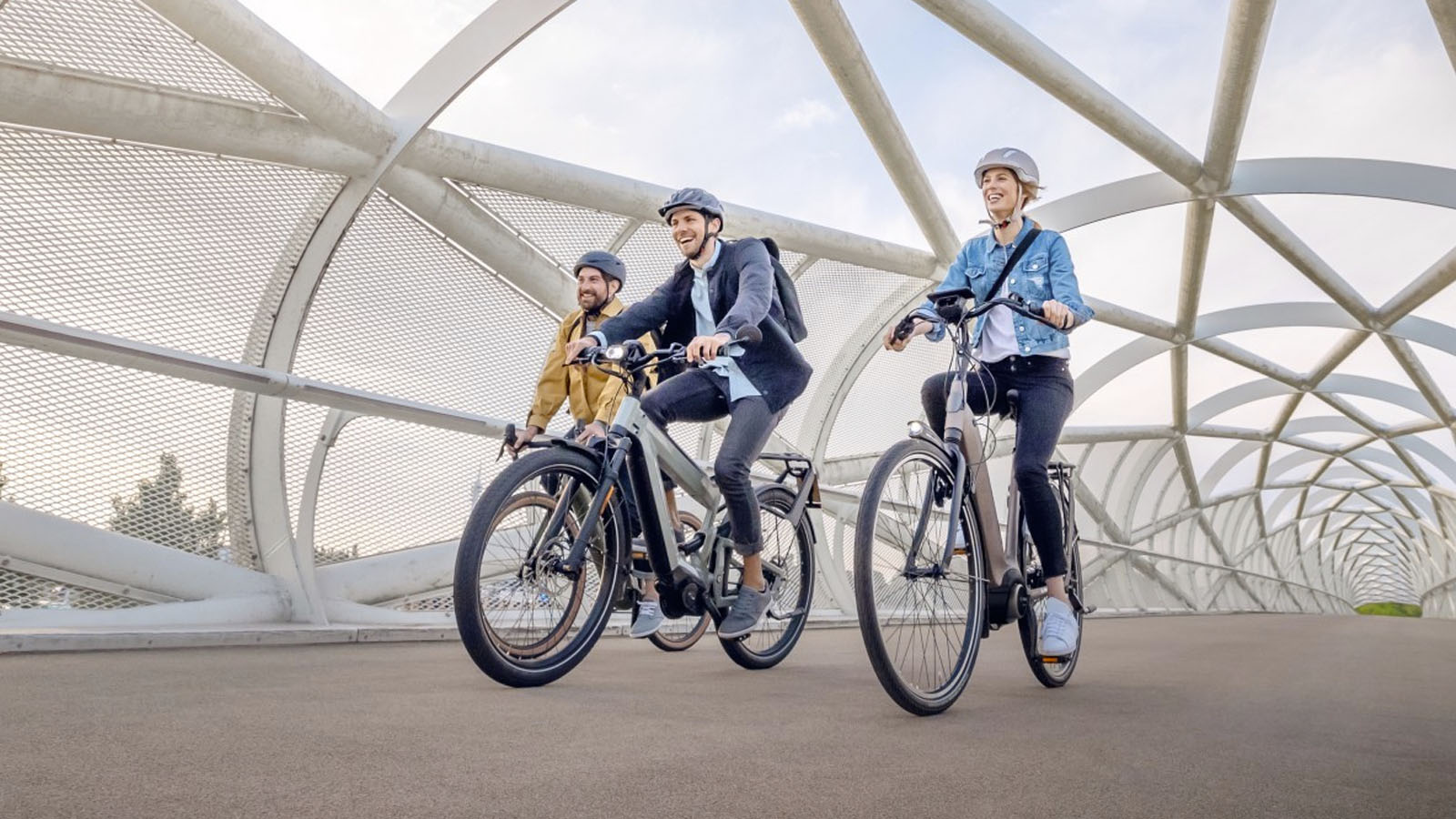
The cover image of this article is from cyclingnews.com.
Bike Is Best campaign
Highlights the problem of transport poverty in Britain, especially the lack of affordable transport options. One of the main problems is the lack of cycling infrastructure and the necessity to drive a car.
Introduction
Many British citizens struggle to get around due to a lack of affordable transport options and often have to spend large portions of their wages to keep their cars running. A recent report from the Bike Is Best campaign revealed that the average car owner spends 13% of their income on their car, much higher than the 10% considered the threshold for transport poverty. This number rises to 19% for those taking out finance or loans.
Cycling
Not surprisingly, a big portion of drivers think that cars are their only option for getting around, with a whopping 47% claiming they have no other options. Even those who would like to bike end up choosing cars due to the often-unsafe cycling infrastructure. E-bikes, which are electric-assisted bikes, have become more accessible in recent years, but they can still be surprisingly expensive, often costing up to £4,000, and rather difficult to finance. The same goes for e-cargo bikes, which are handy for carrying kids and heavy items.
The Bike Is Best survey was based on a nationally-representative sample of 2000 individuals and found that only 34% of drivers said they would cycle if there were other options. However, it seems that money is the problem for half of them, as they cannot afford to buy a bike.
Government
It is unfortunate that the UK Government does not offer a subsidy to purchase e-bikes, unlike for electric cars and other vehicles such as vans and motorbikes. Campaigners have long been demanding a change, as it would help people to switch from car use.
Scott Purchas from Bike Is Best believes that the UK's car culture is keeping people from accessing more affordable alternatives, arguing that “genuine choice” must be created in order to tackle the living costs crisis.
Keir Gallagher from Cycling UK echoed this sentiment, adding that “building networks of safe, segregated cycle routes in towns and cities” can provide people with more options and help them break out of car dependence.
It is essential that transport options become more accessible not only to alleviate individuals from financial difficulties but also to help reduce our environmental impact. Investment in cycling infrastructure should be a priority, especially with the ever-growing cost of car ownership.