Gas Stove Hazards: Are There Health and Environmental Risks?
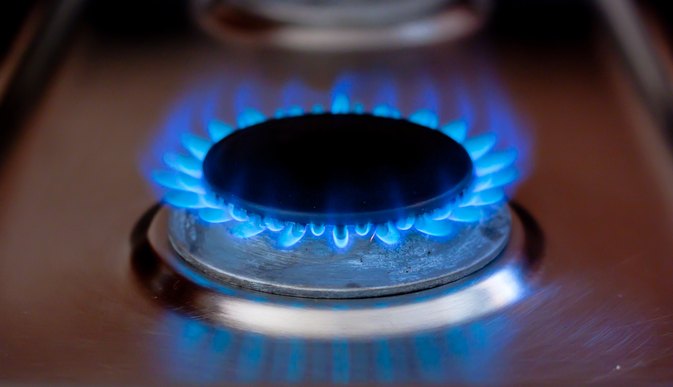
The cover image of this article is from livestrong.com.
The question of whether the federal government is poised to take away gas stoves has been widely discussed in recent days. The Consumer Product and Safety Commission (CPSC) has been investigating the efficiency and potential risks posed by gas stoves present in US households. After their commissioner Richard Trumpka Jr. suggested on Monday that the appliance poses a "hidden hazard" to consumers, it set the stage for a heated debate.
At present, 40% of households in the US have a gas stove, according to Bloomberg. Studies have linked gas stove use to various health conditions, including childhood asthma. To address the risks, the CPSC is mulling over various options.
So, how serious is this discussion regarding a gas stove ban? The answer is that the debate has been ongoing for some time. The potential dangers of the appliance have been identified for a number of years. Studies have pointed to environmental benefits and higher efficiency of electric stoves over their gas counterparts. Moreover, researches have found that gas stoves can cause asthma in children and their emission of pollutants surpass the Environmental Protection Agency's ambient limits.
In response to Bloomberg's report, the White House issued a statement on Wednesday clarifying that the Biden administration currently has no plans to ban gas stoves. The CPSC chair Alexander Hoehn-Saric later released a statement of his own, trying to set the record straight: “Research indicates that emissions from gas stoves can be hazardous, and the CPSC is looking for ways to reduce related indoor air quality hazards.”
The discussion regarding a gas stove ban has already borne fruit in some areas. Berkeley, California and San Francisco have both banned gas hookups in new constructions, with New York following suit by 2027. To make the transition to electric stoves easier, the Inflation Reduction Act of 2022 set aside $4.5 billion for low- and middle-income households for the purchase of a new electric range, stove or cooktop.
However, the discussion has also sparked a backlash from Republicans. A number of US states with Republican-controlled legislatures have passed "preemption laws" that prohibit the ban of natural gas.
When considering the purchase of a stove or range, it is helpful to know the differences between gas and electric stoves. One report by Consumer Reports tested the performance of each type of stove, finding that electric stoves outperformed the gas stoves.
Furthermore, it is important to bear in mind the environmental and health implications of a gas stove. Gas stoves emit more particles and pollution than electric stoves and can increase the risk of childhood asthma and organ inflammation. It is essential to ensure adequate ventilation in the kitchen to avoid possible health risks.
Finally, there are numerous ways to save money in your kitchen and on your utility bill. Energy-efficient appliances are always a good choice and it pays to shop around for the best prices. Additionally, making sure that the stove, fridge, and other appliances are all in working order before purchasing can save money in the long run.
In conclusion, the CPSC is exploring possible options to reduce the risks associated with gas stoves. At present, there are no plans to ban the appliance, but it is important to understand the potential health and environmental implications before making a purchase decision.