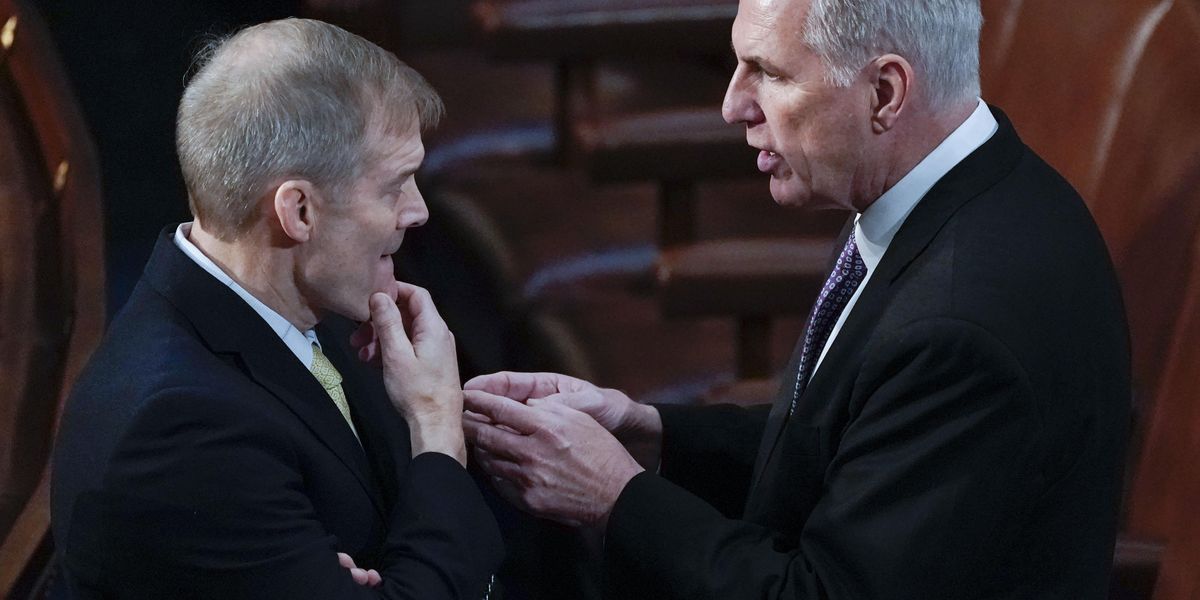
McCarthys First Day as Speaker: Dysfunction and Gridlock Ahead?
The cover image of this article is from commondreams.org.
This afternoon, the United States House of Representatives is voting on a rules package that will set the way for how the House will function for the next two years. Usually a formality and a necessary step in the legislative process, the vote is taking on new and unexpected significance as the new Republican majority is facing a potential revolt from moderates who are not pleased with the deal struck between Speaker Kevin McCarthy and conservative Republicans who had opposed him in the 15 rounds of balloting that ended with his election last week.
The package is largely focused on how the House will handle large spending bills, such as the $1.7 trillion passing just two weeks ago that was considered an example of back-room legislation. The Freedom Caucus – a small group of ultra-conservative Republicans – is pushing for a rule that would require 72 hours of review over any new bills being passed.
The debate over the package is yet another indicator of the dysfunction that has been plaguing the Republican majority in the House since the start of new Congress earlier this month. With a slim Republican majority and Democrats controlling the Senate and the White House, it is looking like the new dynamic could lead to more gridlock and shutdowns.
Biden's Texas Visit
Yesterday, President Joe Biden made a brief stop in El Paso, Texas to visit the US-Mexico border on the way to Mexico City for an international summit. The visit comes two years into his presidency and follows his announcement of a new plan to deal with the surge in migrant arrivals at the border.
During the visit, Biden was joined by Texas's Republican Governor Greg Abbott, who has made headlines with his stringent border policies. Abbott handed Biden a letter that read in part: “Your visit to our southern border with Mexico today is $20bn too little, and two years too late.”
Showdown in the House
Good morning, US politics blog readers, and welcome to Kevin McCarthy’s first day on the job as speaker of the House. McCarthy is being faced with an instant challenge as he takes the reins of the lower chamber of Congress, with the vote on a rules package that will determine how the House will operate this Congress.
Negotiations by McCarthy with ultraconservative lawmakers have been kept private, with speculation that he has guaranteed them positions on key committees and more power. A handful of establishment Republicans have indicated they may withhold their support unless more details are made public, potentially plunging the chamber into renewed paralysis.
The rules package is largely focused on how the House will handle large spending bills, such as the $1.7 trillion passing just two weeks ago that was considered an example of back-room legislation. The Freedom Caucus is pushing for a rule that would require 72 hours of review over any new bills being passed.
The Republican majority in the House is slim, with Democrats controlling the Senate and the White House. The new dynamic is likely to lead to more gridlock and shutdowns in the coming two years.