Uni of Wollongong Offers Flexibility for Australia Day: Momentum for Change Grows!
The cover image of this article is from abc.net.au.
The University of Wollongong (UOW) is offering their staff the option to work on the 26th of January - an otherwise public holiday - in recognition of the painful associations the day holds for Indigenous communities. This offer comes after consultation with staff unions and follows other major businesses such as Telstra, Woodside, Deloitte, KPMG, and Ernst & Young in introducing similar policies.
The Vice-Chancellor of UOW, Professor Patricia Davidson, stated that "for our First Nations colleagues, it's clearly a day they don't want to recognise as a celebration... they see it as an Invasion Day". Employees who choose to work on the day can take leave on any of the following days: 27th of January, or 30th of January.
Support for the UOW's initiative has been growing as more firms follow their lead. However, the University of New South Wales has not allowed their staff to substitute the public holiday with another day, though this is something which could potentially change if the new enterprise agreement is approved.
Similarly, the University of Melbourne is "considering an alternative arrangement" to the fixed Australia Day holiday as part of their current enterprise bargaining process. The Universities of Sydney and Queensland, on the other hand, recognize the 26th of January as a public holiday.
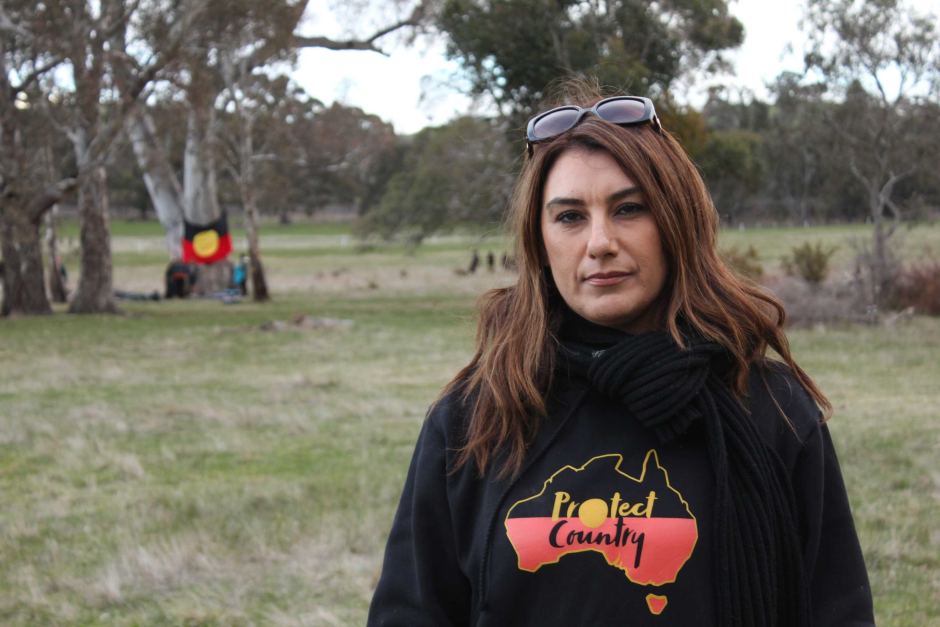
The shift in policies is being seen as a step forward towards greater recognition of Aboriginal and Torres Strait Islander people, as well as changing the date of Australia Day. Senator Lidia Thorpe believes that it can be seen as a "growing momentum" to have a different outlook towards national identity and the celebration of it.
William Cooper, a Yorta Yorta man, in 1938 called for the 26th of January to be acknowledged as a Day of Mourning, as a result of the atrocities faced by First Nations people. Demonstrations have been held on this day since then, which is longer than the official Australia day holiday, which was only established in 1994.
The UOW's initiative is seen by many to be a positive move towards an understanding of the painful history of Indigenous communities in Australia. It is hoped that more companies and universities will take similar steps and offer this kind of flexibility to their staff.